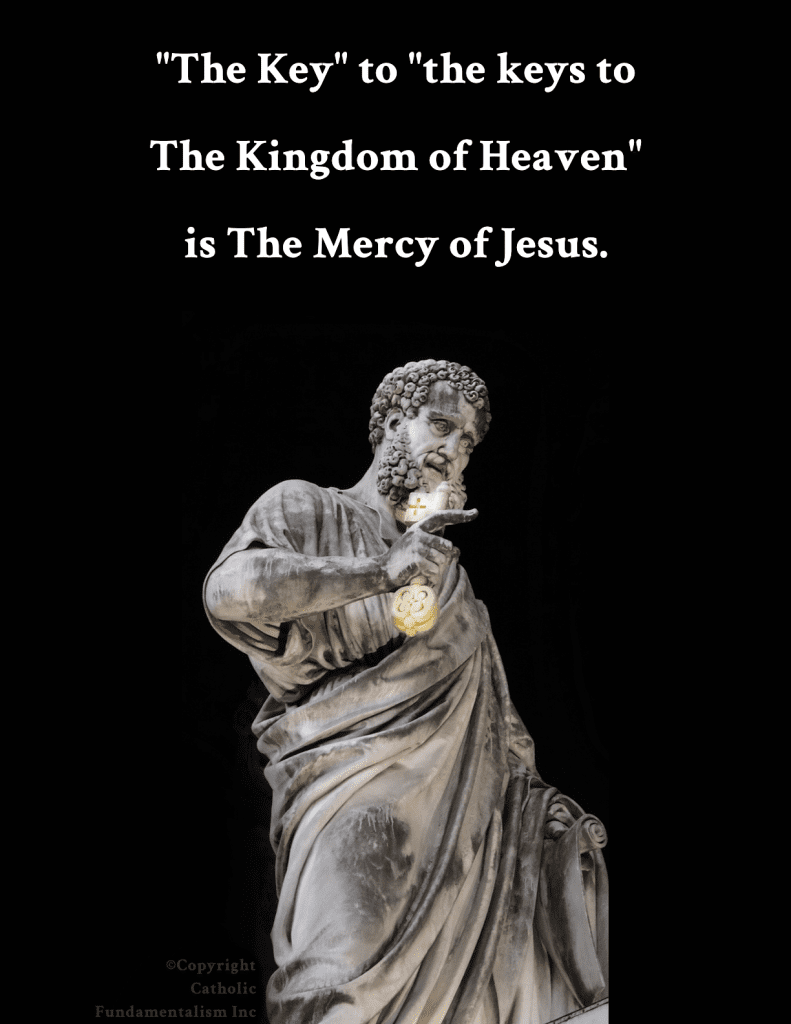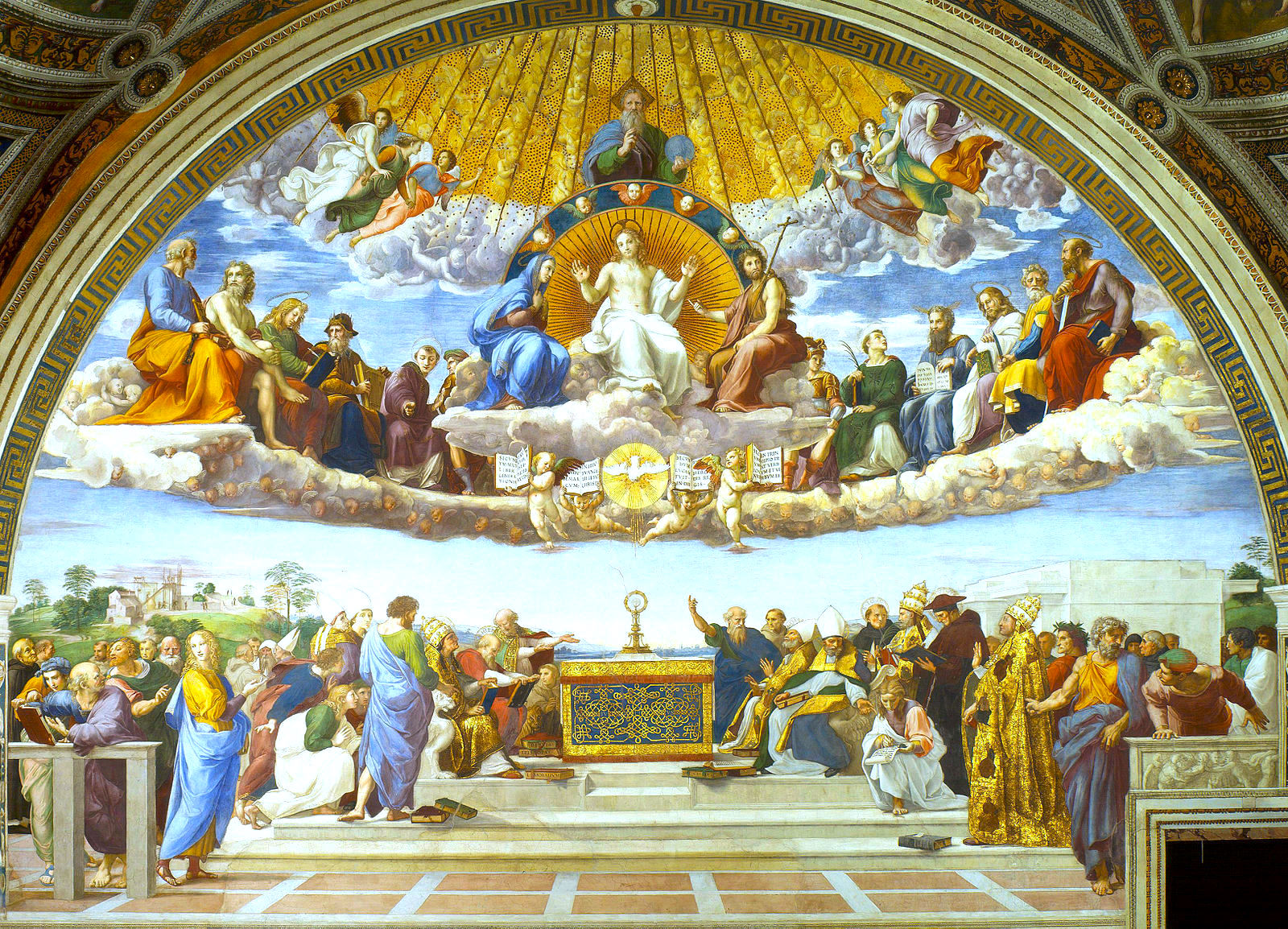
Catholic Bishops carry a staff as a symbol of their duty and authority. The staff represented the relationship between bishop and people that was encapsulated by Christ’s order to Peter, “Feed my sheep.”
In the early Church, the bishop’s staff had an open end, like the shepherds’ crook. With it, a bishop would actually pull a person into salvation. Early bishops, the Disciples and St. Paul, would look for people whom they could save. With the power of their logic, knowledge, and faith, they literally pulled people into salvation, just as a shepherd would pull sheep away from danger.
Now, the bishops’ staffs have changed.
Now, the staffs rarely terminate in an open hook, like the end of a shepherd’s crook. The symbolism is clear. It is no longer the Bishops’ duty to physically pull individual sinners from destruction. If we sheep are to be saved, we have to be able to grab onto the bishop’s staff (the Sacraments and teachings of The Church), and hold on tightly if we are to be pulled to safety. The new staffs show that the Bishops are there so that we may save ourselves.
It’s every soul for itself! Thank goodness that the bishops’ staffs are there.