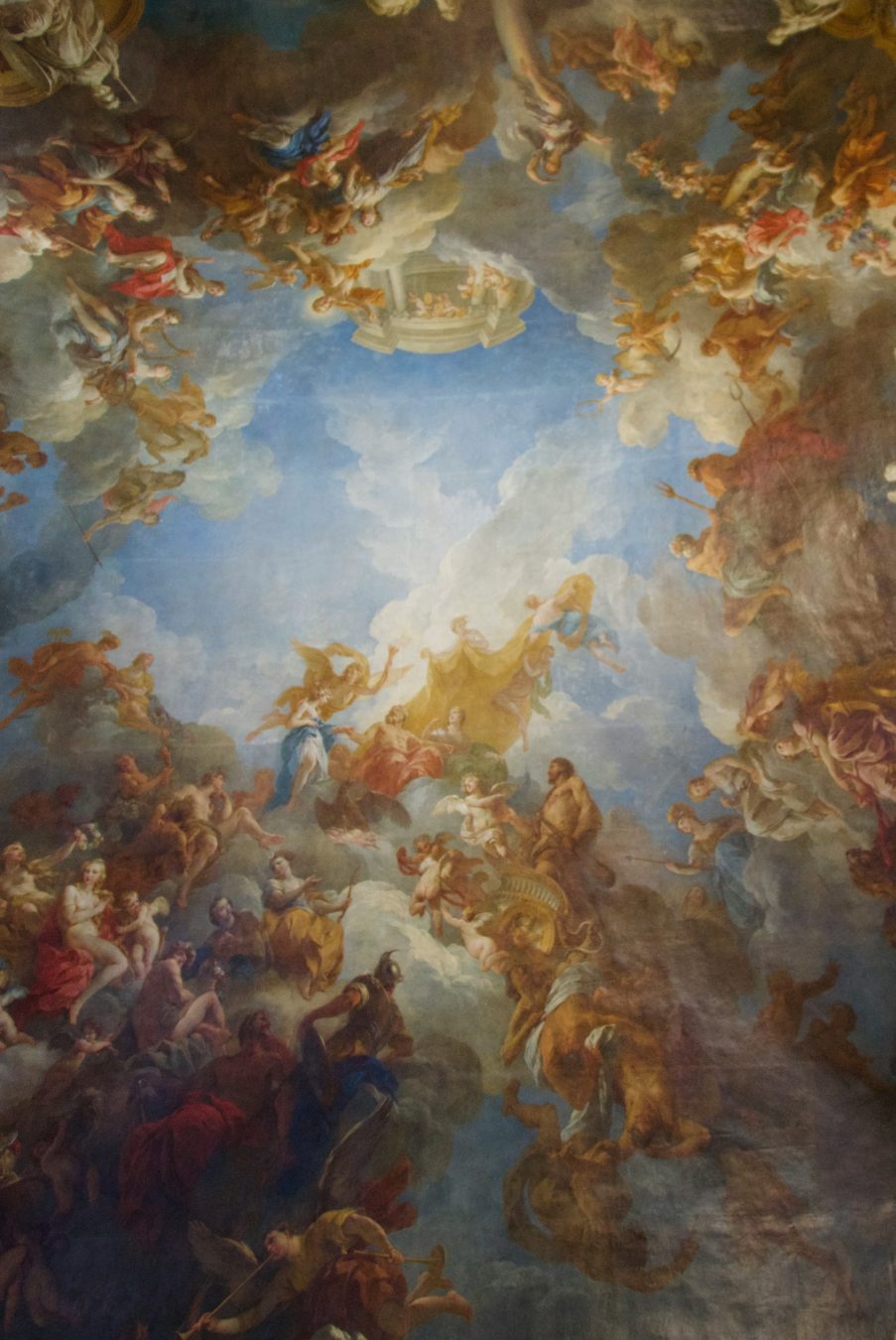
The Mystery of the Seven Spirits
The Book of Revelation mentions the Seven Spirits of God near the Throne. They are never directly defined. Instead, they appear as a divine mystery left for us to ponder.
Catholic tradition sees spiritual patterns in what God reveals. Just as there are Seven Deadly Sins—Pride, Envy, Anger, Sloth, Greed, Gluttony, and Lust—there may also be seven divine opposites. These may be the Seven Spirits of God: forces of grace given to battle sin.
Virtues as Opposites to Sin
If these Spirits oppose sin, each might correspond to a deadly vice. Catholic Fundamentalists often remember the vices by the phrase: “PEAS, Green, Good, and Little.”
Against Pride, the fear of the Lord brings humility. Scripture tells us: “The fear of the Lord is the beginning of wisdom” (Psalm 111:10). Envy yields to Charity, which mirrors God’s own self-giving.
Anger is conquered by Justice, which demands right action toward others. Sloth is challenged by Fortitude—strength to persevere in duty. Greed is checked by Temperance, Gluttony by Prudence, and Lust by Chastity. While not among the traditional gifts or virtues, Chastity rightly belongs in this holy armor.
Heavenly Virtues and Spiritual Beings
These Gifts and Virtues appear across Sacred Tradition. The Seven Gifts of the Holy Spirit include Wisdom, Understanding, Counsel, Fortitude, Knowledge, Piety, and Fear of the Lord (Isaiah 11:2). The Theological Virtues—Faith, Hope, and Charity—are joined by the Cardinal Virtues: Prudence, Justice, Temperance, and Fortitude.
Catholic Fundamentalists believe these virtues may be more than abstract qualities. Scripture says, “Bless the Lord, all you his angels, you mighty in strength, doing his word” (Psalm 103:20). One choir of angels is called “Virtues”, suggesting these spiritual gifts may also be angelic beings who help us.
Why We Call on Angels and Saints
Some Christians avoid asking angels for help, preferring to pray only to God. But Catholic practice is rooted in divine order. Going directly to God is like calling a software founder instead of using the help desk.
Revelation shows Heaven’s complexity: elders, incense, lightning, and divine beings all surrounding the Throne. Scripture describes the saints as those who “hold golden bowls full of incense, which are the prayers of the holy ones” (Revelation 5:8).
So, we reverently ask Saints and Angels for intercession. We trust the divine “help desk” designed by God Himself.