When Solomon’s son raised taxes on the Ten Northern Tribes, they revolted. They left David’s Kingdom and set up their own.
After the Ten Northern Tribes established themselves as a separate Kingdom, some early Martin Luther invented their own religion, complete with a golden idol. They did so while protesting “Unfairness in the Temple dealings.”
Judah and Benjamin remained faithful to the Jewish faith.
From the North, Judah and Benjamin were attacked by those who protested the faith passed on from Abraham and Moses. These early Protestants tried mightily to destroy Judah and Benjamin.
From the South, the only faithful tribes of Israel were attacked by the sons of Ishmael.
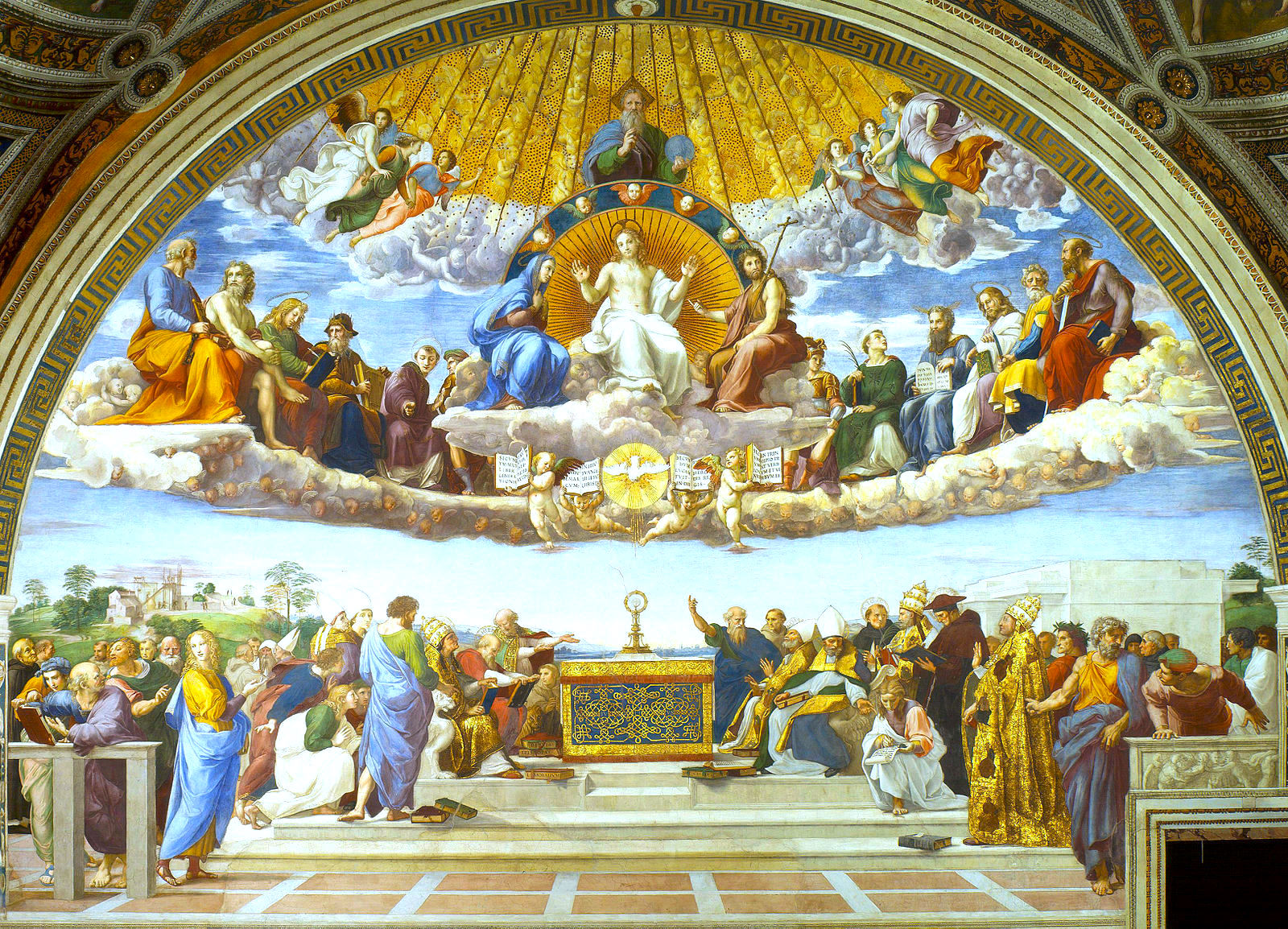
Today, a similar situation exists. The Church Jesus Founded is attacked, primarily by those in Northern Europe and their American extensions. They have split off and formed 40,000 paralyzing Protestant schisms.
The Church Jesus Founded is also attacked, largely from the South, by the sons of Ishmael. They have have formed their own early, and extremely Protestant, religion.
Some things never change.