A Protestant is hiking down a trail and begins to walk with a stranger. They speak of religion. The Protestant says “I am a Christian. I believe in Jesus and The Bible.”
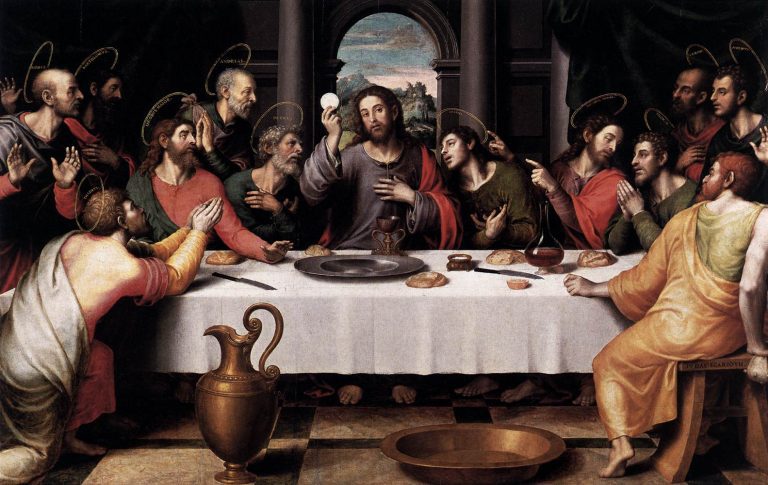
The stranger, a Catholic, asks: “Jesus said that ‘If you obey My commands, you are My friends.’ As a Catholic, I’ve always wondered if anyone could be His friend if he refuses to follow His instruction “If you do not eat My Body and drink My Blood you do not have life in you.’?
The two stop and look at each other. The Protestant knows that Jesus said: “If you obey My commands you are My friends.” And the Protestant knows that Jesus also said “If you do not eat My Body and drink My Blood you do not have life in you.”
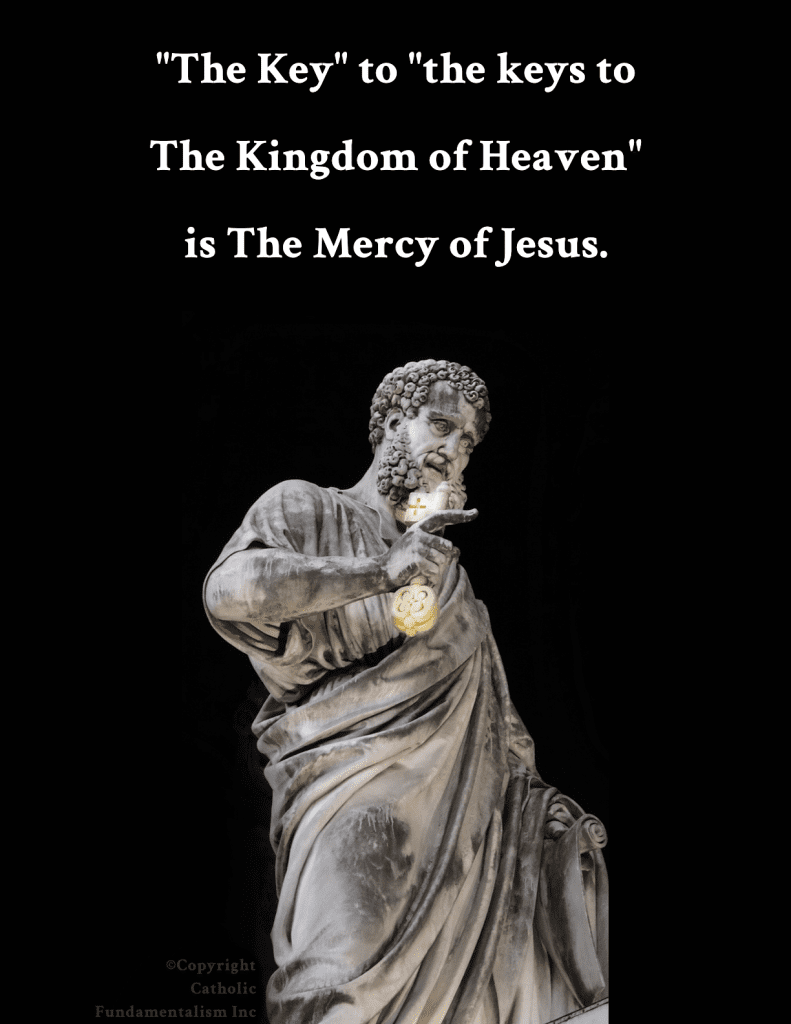
Then, the Catholic adds: “I have one other question. Jesus also said to one person, and not the founder of your schism, ‘Thou art Peter and on this rock I build My Church and the gates of hell shall not prevail against it. I will give you the Keys to the Kingdom of Heaven.’ Then, Jesus added these words to Peter: ‘Whatever (sins)you bind on earth will be bound in Heaven. Whatever (sins) you loose on earth shall loosed in Heaven.’ Isn’t it better, and safer, to obey Jesus and The Church He Founded, rather than a schism invented by some man?”
The two stand there. The Protestant, who began the conversation by saying “I am a Christian. I believe in Jesus and the Bible.” is at a loss for words, paralyzed by a predicament described by Aristotle. “One cannot say of something that it is and that it is not in the same respect and at the same time.”
Can one say “I believe in Jesus and The Bible.” and then ignore selected parts? Only in the fulness of The Catholic Church can the contradiction be erased.
Those who say “I believe in Jesus and The Bible.” and personally pick and choose which instructions they will take seriously must consider that the word “hypocrisy” also reaches back to Aristotle: “Hypoocrisy: Middle English: from Old French ypocrisie, via ecclesiastical Latin, from Greek hupokrisis ‘acting of a theatrical part’, from hupokrinesthai ‘play a part, pretend’, from hupo ‘under’ + krinein ‘decide, judge'”
One can continue with selective obedience, but it has one result on earth. Little dead places in the brain. Mustn’t they also have effects on the soul, beyond?