All of us make bets. Right now, we’re all betting that we’re going to wake up tomorrow. Most of us will win that bet. But, there will come a day when we will lose that bet. In preparation for that day, we may wager: “I bet that I have an immortal soul that is going to Judgment, and I’m going to get ready for it.”
On the other hand, we may decide, “I bet that I don’t have an immortal soul, and if I do, I bet that there is no Judgment, and if there is, I bet I’ll be rewarded because I am a good person.” Others will make another bet: “I’ll bet on whatever will get me the most reward for the least amount of trouble.”
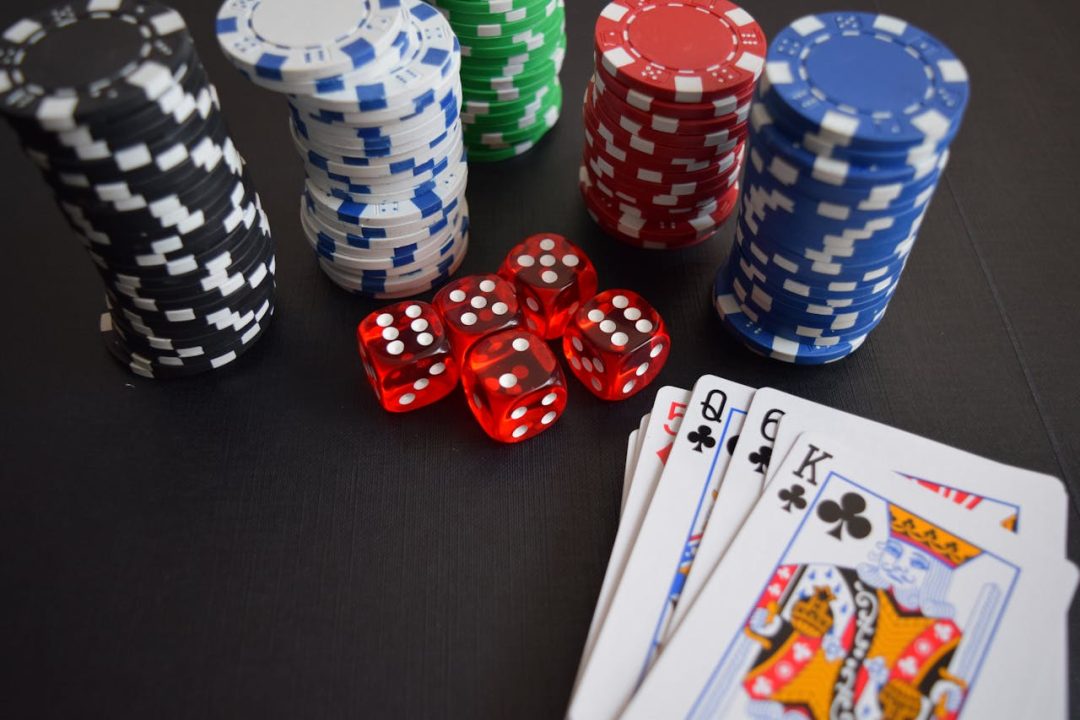
All these are variations of Pascal’s Wager. Pascal, you remember, was a famous French mathematician. A friend asked him what the odds were of winning at a card game. Pascal was so taken by this question that his powerful mind soon invented Probability Theory and developed Statistics as a math discipline.
As Pascal developed Probability Theory, he applied it to choosing a religion. “What is the safest bet that I can make?”, he pondered. There were many new Christian religions springing up at the time, and each of them offered different approaches to God, Judgment, and Salvation.
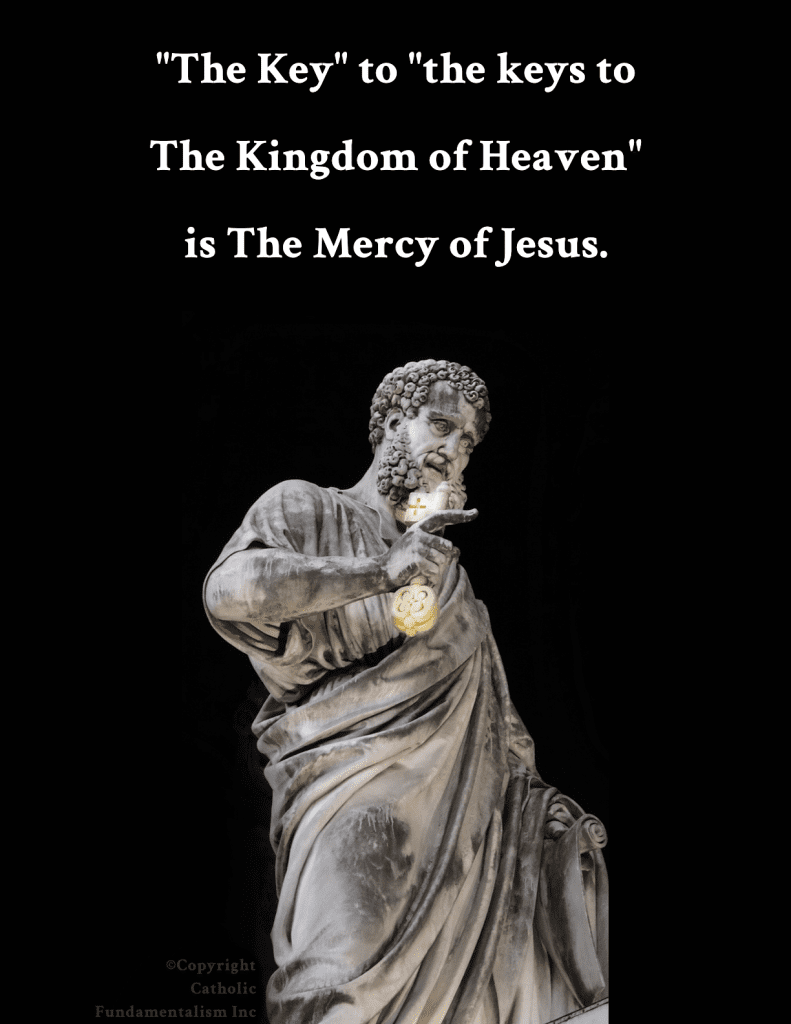
Blaise Pascal decided that the safest bet was to remain Catholic. His reasoning may be summed up as follows: “The Roman Catholic Church has been around longer than all the other denominations. It, alone, has a living link with the First Pope, St. Peter, the Disciples, and through them, Jesus, Whom they claim can forgive sins. They have the greatest historical authority. If there is a God, He has guided them through more than fifteen centuries. Therefore, that Church is statistically likely to have the support from God, if there is One, necessary to sustain it. It provides Sacraments, which bring believers closer to God. The closer to God I am, the more likely it is that my soul, if I have one, will know eternal joy in Heaven, if it exists.”
Then, Pascal made a great breakthrough: “The thing to consider is the size of the reward versus the cost of gaining it. If there were a lottery with all the money in the world, I can see that it would be stupid not to buy a ticket. If there were a lottery with half the money in the world, it would be stupid not to buy a ticket. When the prize is big enough, it is stupid not to buy a ticket.”
His conclusion could be summed up: “Spending one hour at Mass each week is a small price to pay for a ticket that appears to have a very good chance of winning the greatest prize of all. Even if there is no Heaven, obeying the teachings of The Church will make me a better person. If there is a Heaven, and obeying those teachings gets me there, I will win two prizes, either of which is more than worth the price of the ticket.”
We may think that we are smarter than Blaise Pascal.
Wanna bet?